Happy Monday! It’s Halloween week.
One of the great things about being an adult is that you can just rotate through the different Halloween costumes you’ve had over the years.
This year, we had a disco-themed party we got invited to, so I had to pick up a new costume for that. But for the themed workouts at my studio and trick-or-treating with the kiddos, I can rotate through my dodgeball costume, my turkey costume, Mr. Incredible, and a few more 😉
Whether you like to dress up or not, it’s all good. But I also have something special for you: a special kettlebell promo.
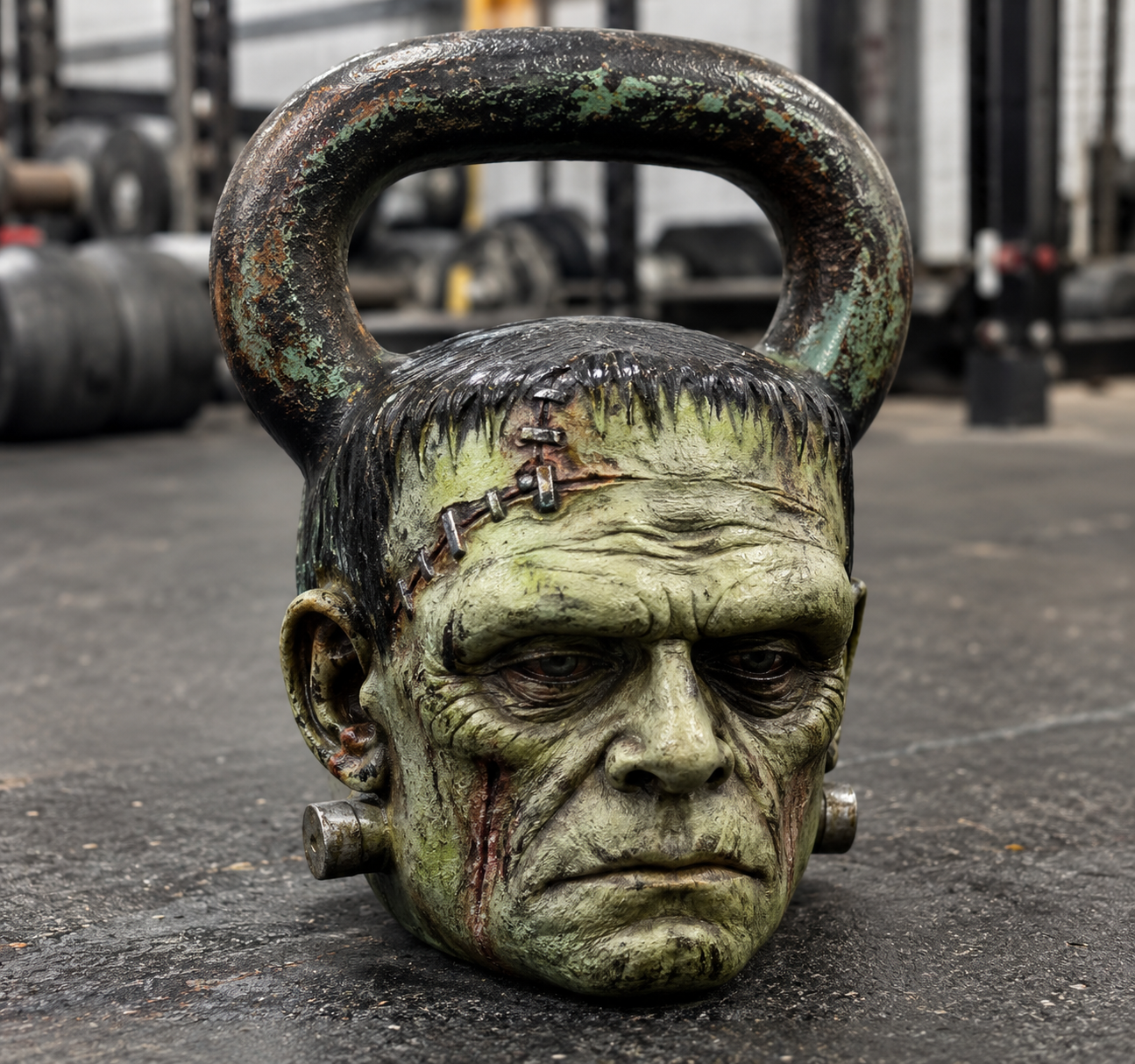
This year, it’s Frankensteined Kettlebell: three full kettlebell plans, “Frankensteined” together for strength, lean muscle, and fat loss.
Just like Frankenstein was stitched together piece by piece and brought to life, these all work together. You have to get strong. You have to build the lean muscle that gives you shape. And you have to lose the fat so people can actually see the work you’re putting in.
Here’s a sample workout:
#
PART 1: STRENGTH
Start with a heavier kettlebell, if you can. Set your timer:
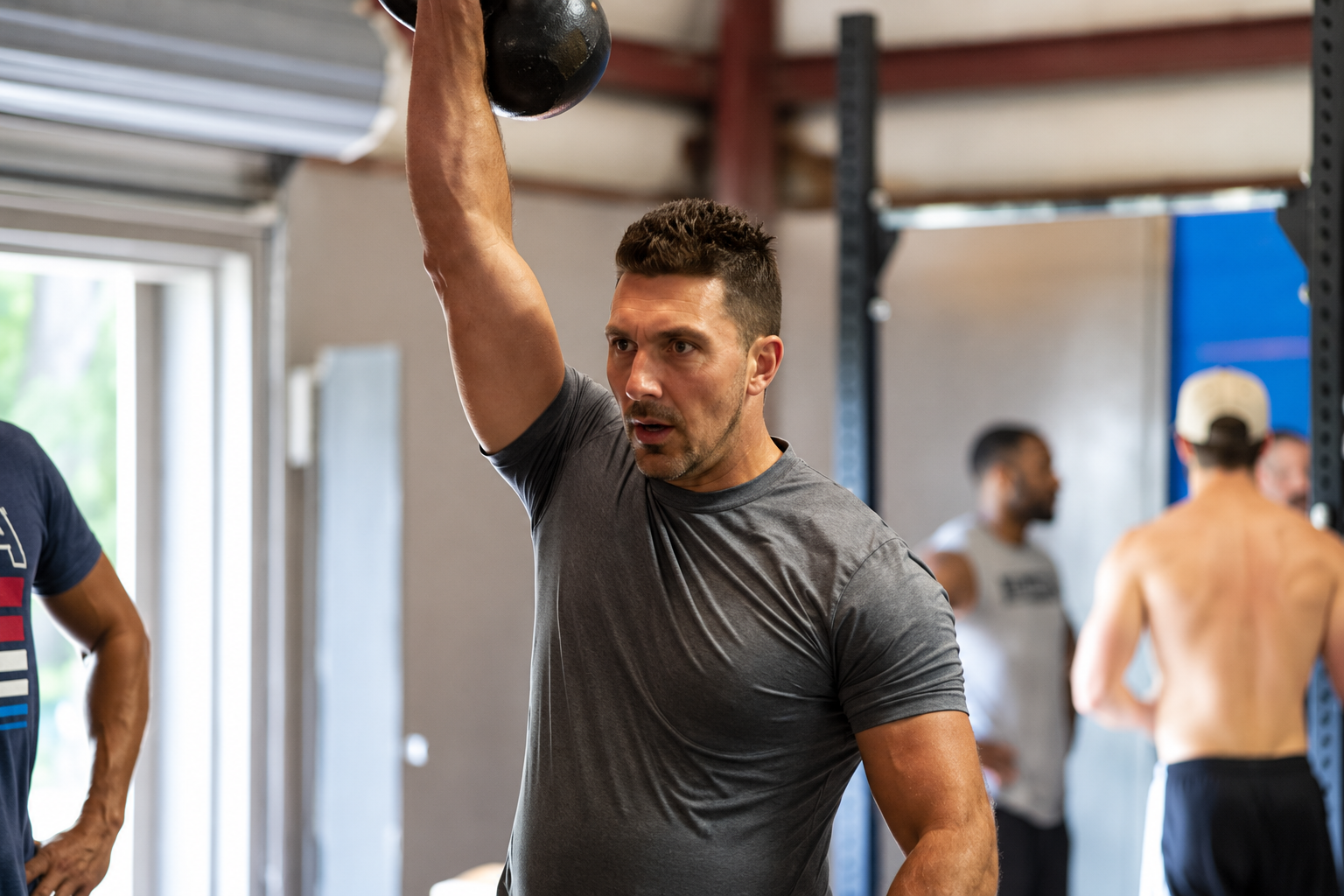
- 30 seconds Kettlebell Overhead Press
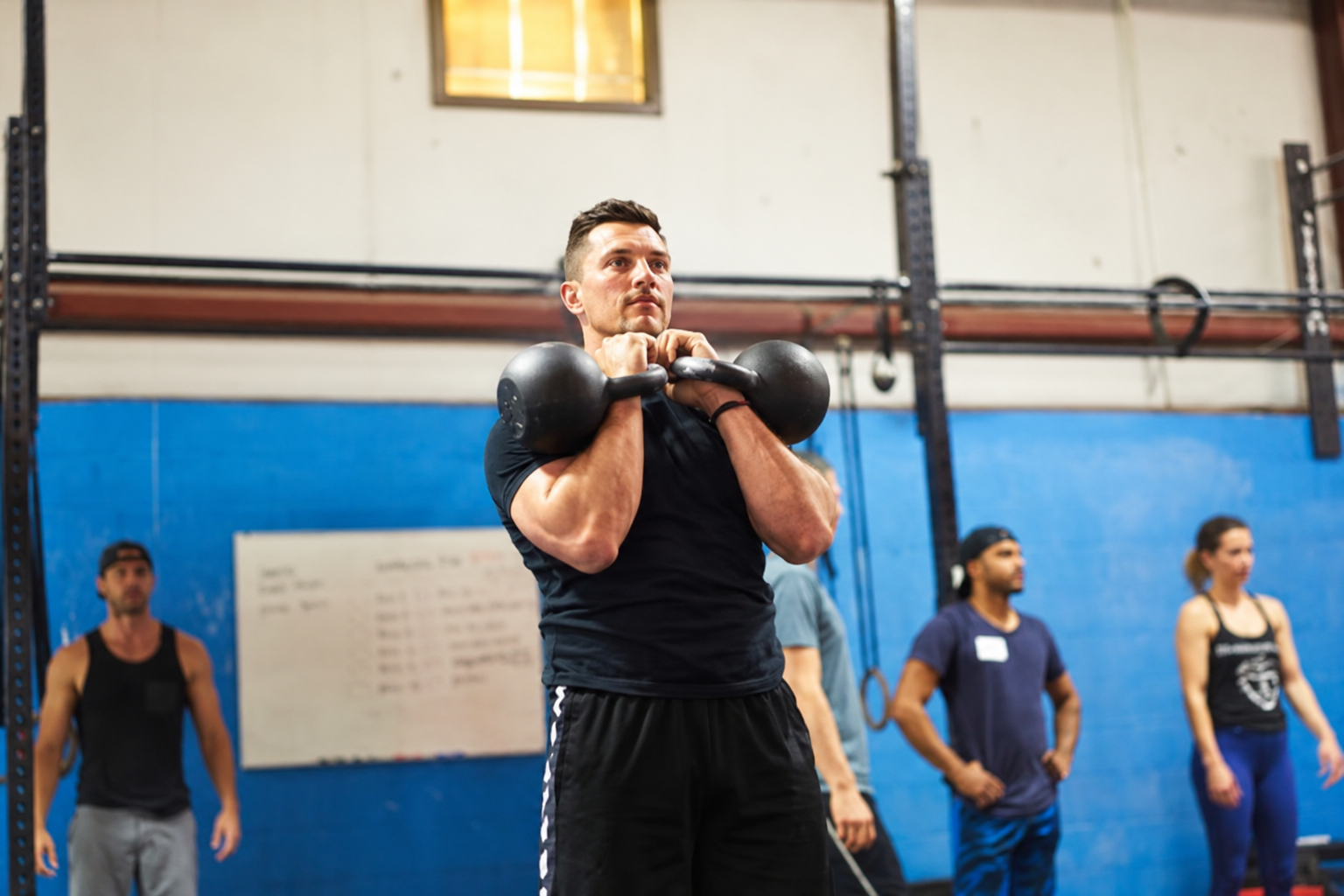
- Directly into 30 seconds Kettlebell One-Arm Rack Squat (same side)
- Set the kettlebell down and rest 30 seconds
- Repeat on the left side
Alternate sides, resting 30 seconds between each round, for 4 rounds.
PART 2: LEAN MUSCLE
Next, build some lean muscle. Complete 3 rounds as fast as possible, 10 reps of each:
- Single-Leg Kettlebell RDL (5 per leg)
- One-Arm Kettlebell Rows (10 per side)
- 10 Push-Ups
For the push-ups, pick a hard version. Elevate your hands on a bench, do regular push-ups, or even elevate your feet. Make them challenging for 10 reps, but choose a version you can do with perfect form.
PART 3: FAT LOSS FINISHER
Finally, finish off with a fat loss finisher. EMOM style, every minute on the minute for 5 minutes:
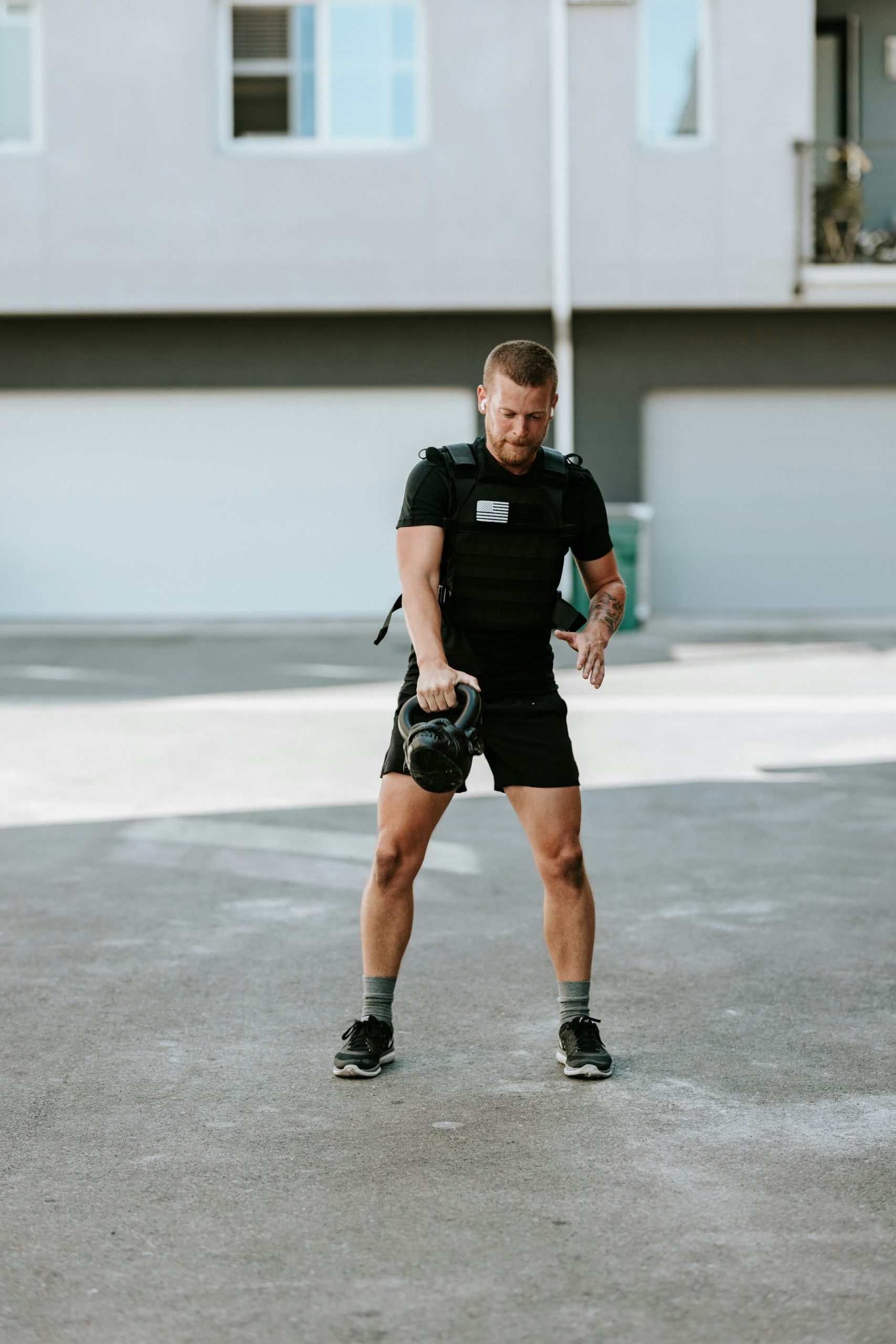
- 10 Kettlebell Swings
- 5 Burpees
Rest for whatever time is left in the minute, then go again.
#
And there you have it. That’s your 21-Min KB Challenge – “Frankensteined”.
Like I said, we have a special promo coming up for Halloween week. It’s three kettlebell plans, Frankensteined together, so you can get it all: strength, lean muscle, and fat loss. Plus, maybe even a little surprise inside.
Keep an eye on your inbox tomorrow for the details.
Forest Vance
Master of Science, Human Movement
Kettlebell Expert
KettlebellBasics.net
ForestVanceTraining.com